About the Department
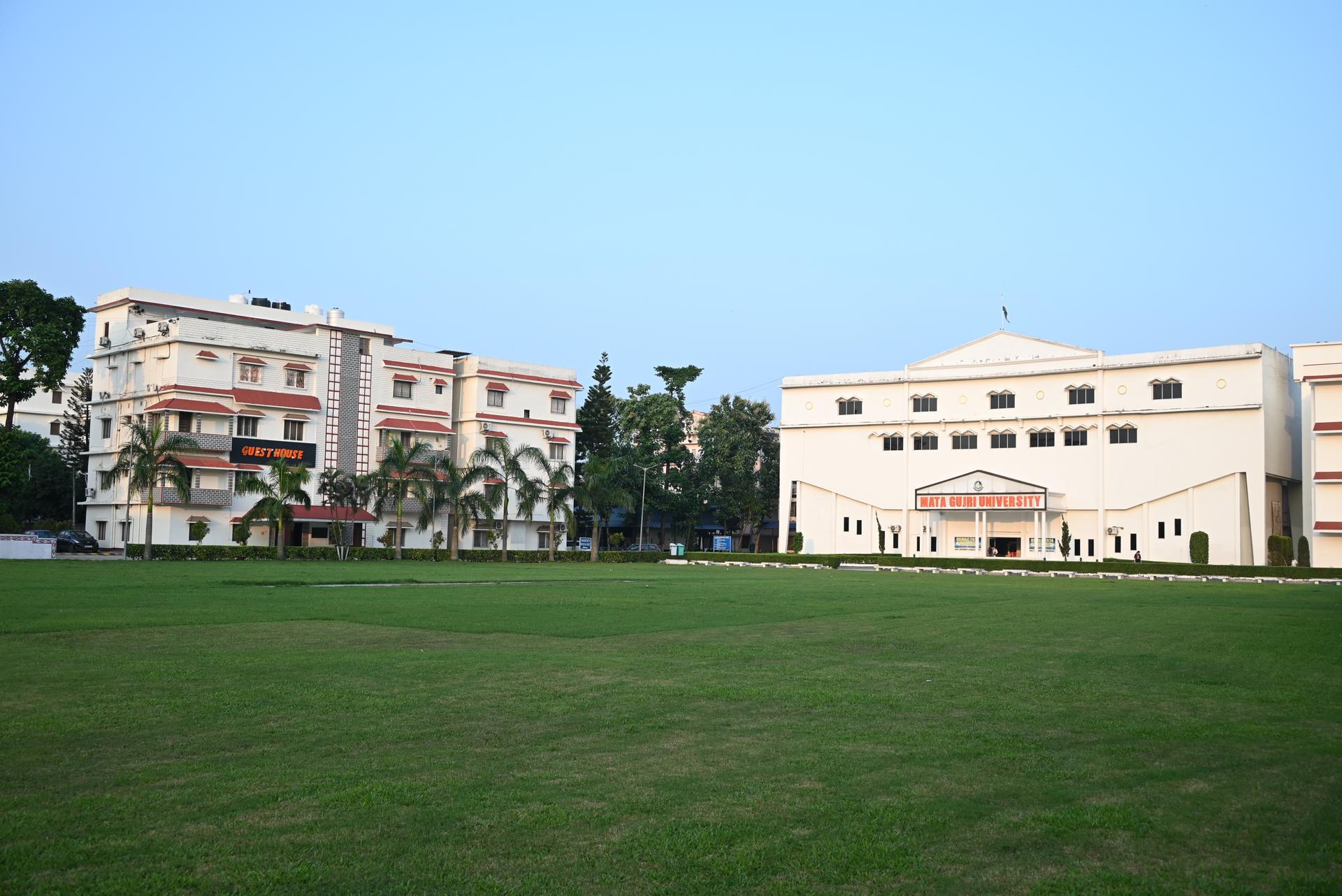
The Department of Forensic Medicine & Toxicology at Mata Gujri Memorial Medical College & LSK Hospital, Kishanganj, is the primary center for the application of medical science to legal inquiry.
Established in 1990, the department has served as a repository of medicolegal knowledge and expertise, utilizing its vast armamentarium to train medical students in the disciplines of forensic pathology, medical jurisprudence and toxicology.
Mission
The Department aims to uphold the highest standards in medical education and research through an organized academic environment where medical students master forensics.
We strive to develop in every scholar a disciplined faculty of observation and an uncompromising commitment to medical law & ethics.
Our ultimate goal is to ensure that the future practitioner is prepared not only to heal the living but to serve as an impartial witness to truth in the service of the law.
Forensic Museum
- Osteology & Skeletal Remains — A comprehensive collection of both loose and articulated skeletons for the study of human identification, age estimation, and sex determination.
- Wet Pathology Collection — A vast repository of preserved organ specimens demonstrating a wide spectrum of mechanical injuries and the visceral effects of poisons.
- Weaponry & Ballistics — A categorized display of firearms and weapons utilized to illustrate wound morphology and the physics of trauma.
- Anthropometric Tools — A specialized suite of precision instruments, including osteometric boards and calipers, dedicated to the scientific measurement of the human frame for medico-legal identification.
- Poisonous Substances & Agents — A gallery of toxicological agents, ranging from common household and industrial chemicals to regional poisonous plants and venoms, illustrating the diversity of substances encountered in forensic practice.
Demonstration Room
- Smart-Screen Technology — High-definition interactive displays for projection of autopsy footage, histological slides, and legal presentations.
- Integrated Audio System — Professional sound system ensuring clear communication during large-group demonstrations and guest lectures.
- Climate-Controlled Environment — Fully air-conditioned atmosphere for prolonged academic sessions and preservation of digital hardware.
- High-Speed Connectivity — Dedicated internet access to facilitate real-time forensic databases and case-study simulations.
Forensic Medicine Student Laboratory
- Radiological Interpretation — Analysis of X-rays and imaging for age estimation and injury patterns.
- Microscopy & Histopathology — Stations equipped for detailed study of serology and histological slides.
- Anthropometric Experiments — Workspace utilized for identification of human remains using specialized instruments.
- Preparation Room & Store — Auxiliary space for curation of teaching materials, reagent preparation, and secure storage of laboratory equipment.
Departmental Library & Research Room
- Books — Collection of over 150 volumes covering medical and forensic sciences.
- Autopsy Simulation Section — Facility for autopsy simulations and virtual dissections.
Services Offered
- Teaching for Medical, Nursing and allied health professional students.
- Student research guidance and mentorship.
Vision & Future Goals
The vision of the department is to evolve into a center for forensic excellence, bridging the gap between academic theory and medico-legal practice.
Future goals include securing legal & administrative permissions for medicolegal work, establishing a Clinical Forensic Medicine Unit (CFMU) for examination and documentation of medicolegal cases in living individuals, developing fully equipped autopsy services, and setting up a Poison Control Center providing 24/7 toxicological information and clinical care.